



Manufacturing & Industry 4.0 Software Development in Saudi Arabia
Connected. Efficient. Production-Ready.
REDROCK Technologies builds custom manufacturing software for factories, food processors, metal fabricators, and industrial operators across Saudi Arabia and Southern Africa. From shop-floor monitoring and predictive maintenance to ERP integrations and IoT/MQTT sensor platforms—we deliver secure, scalable solutions that improve uptime, quality, and operational visibility.

A Manufacturing Software Development Company Focused on Saudi Industry
Manufacturers in Riyadh, Jeddah, Dammam, and across the Eastern Province face a common challenge: disconnected spreadsheets, manual production logs, and legacy systems that hide bottlenecks until they become costly downtime. REDROCK combines global engineering standards with local market understanding to build software that works for Saudi plant managers, operators, and supply chain teams.
Whether you run a food processing line in Riyadh, a metal fabrication workshop on the Eastern Province, a cement or construction materials plant, or an industrial startup digitising operations for the first time—our team delivers end-to-end software development in Saudi Arabia. We use modern stacks including Python, Laravel, Node.js, React, Spring Boot, and MQTT-based IoT pipelines, with reliability and data integrity built in from day one.
Our manufacturing projects often combine mobile app development for supervisors and field teams, logistics and supply chain software for raw material flows, and AI-accelerated engineering to deliver faster without compromising production-grade quality. We integrate ERP modules, barcode scanners, PLC data feeds, SMS alerts for downtime, and third-party accounting systems so your platform fits the way Saudi factories actually operate. Learn more about how we work or request a free quote.
Manufacturing & Industry 4.0 Software Development Services We Offer
Tailored manufacturing software for factories, processors, and industrial operators in Saudi Arabia—designed for shop-floor visibility, uptime, and the realities of local production environments.
Shop-Floor Monitoring & OEE Dashboards
We build real-time shop-floor monitoring systems that track machine status, production counts, downtime reasons, and Overall Equipment Effectiveness (OEE). Supervisors in Riyadh and Eastern Province plants get live dashboards on tablets or wall displays—highlighting bottlenecks, shift performance, and targets before end-of-day reports reveal missed output.
Predictive Maintenance Platforms
Reduce unplanned downtime with predictive maintenance software that analyses sensor data, vibration readings, runtime hours, and maintenance history. Our platforms send alerts before equipment fails—helping Saudi manufacturers schedule repairs during planned shutdowns instead of losing production to breakdowns.
Custom ERP for Manufacturing
Replace fragmented spreadsheets with integrated ERP systems covering production orders, bill of materials, inventory, purchasing, costing, and financial reporting. We build custom ERP modules or extend Odoo and similar platforms to match your Saudi manufacturing workflows, tax rules, and multi-location operations.
IoT & MQTT Sensor Integration
Connect temperature probes, flow meters, vibration sensors, and PLCs to your software platform via MQTT, Modbus, or OPC-UA gateways. Secure device authentication, edge buffering for unreliable connectivity, and cloud dashboards give plant managers visibility into conditions that affect quality and safety.
Quality Control & Inspection Systems
Digitise quality checks with mobile-friendly inspection forms, batch traceability, non-conformance tracking, and approval workflows. Ideal for food processors, beverage plants, and manufacturers serving regulated markets—ensuring every lot meets standards before it leaves your Saudi facility.
Manufacturing Execution Systems (MES)
Track work orders from raw material issue through each production stage to finished goods. Our MES solutions capture operator inputs, machine outputs, scrap rates, and rework events—giving production managers accurate WIP visibility and audit-ready records for every batch.
Production Planning & Scheduling Software
Optimise capacity with production scheduling tools that balance machine availability, material lead times, and customer deadlines. We build planners for multi-line factories that adjust quickly when orders change, materials arrive late, or equipment goes offline unexpectedly.
Inventory & Raw Materials Management
Track raw materials, WIP, and finished goods across warehouses, production floors, and dispatch areas. Low-stock alerts, FIFO/FEFO rules, batch expiry tracking, and supplier lead-time visibility help Saudi manufacturers avoid production stoppages and reduce carrying costs.
Barcode, QR & RFID Tracking Systems
Implement barcode and RFID workflows for goods receipt, production tracking, pallet movements, and dispatch. Handheld scanners and mobile apps sync with your central system so every item is traceable from supplier delivery to customer shipment across your Saudi operations.
SCADA & HMI Integration Development
Bridge existing SCADA and HMI systems with modern web dashboards and mobile alerts. We extract machine data from legacy industrial systems and normalise it into APIs your ERP, analytics, and maintenance platforms can consume—without replacing equipment that still has years of service life.
Warehouse Management for Manufacturers
Manage inbound materials, staging areas, finished goods storage, and outbound dispatch with WMS modules tailored to manufacturing. Pick lists, location tracking, cycle counts, and integration with production orders keep inventory accurate and dispatch teams aligned.
Energy & Utility Monitoring Dashboards
Monitor electricity, water, fuel, and compressed air consumption across production lines and facilities. Energy dashboards help Saudi manufacturers identify waste, compare shift efficiency, and justify investments in equipment upgrades or load management during ZESCO tariff changes.
Supply Chain Traceability Platforms
Track raw material origins, processing steps, and distribution paths for compliance and customer assurance. Essential for food, beverage, and export-oriented manufacturers who need batch-level traceability from farm or supplier through to retailer or export documentation.
Mobile Apps for Supervisors & Operators
Give floor staff mobile tools for production logging, downtime reporting, quality checks, and maintenance requests. Built with Flutter or React Native for the Android devices commonly used on Saudi shop floors—with offline sync when Wi-Fi coverage is patchy.
Safety, Compliance & Audit Trail Systems
Digitise safety checklists, incident reporting, PPE compliance, and regulatory audit logs. Immutable records and role-based access help manufacturers demonstrate compliance during inspections and maintain accountability across shifts and departments.
Production Analytics & Reporting Dashboards
Turn operational data into actionable insights. We build dashboards for yield rates, scrap analysis, machine utilisation, order fulfilment, and cost per unit—helping plant directors in Saudi Arabia make evidence-based decisions and report to owners or investors.
ERP & Accounting System Integration
Connect production systems with Sage, QuickBooks, Odoo, or custom accounting platforms. Automated journal entries, cost allocation, and inventory valuation sync reduce manual reconciliation and give finance teams accurate production costing in real time.
Legacy Manufacturing System Modernisation
Migrate from paper logbooks, Excel trackers, and outdated desktop software to unified cloud platforms. We plan data migration, parallel running periods, operator training, and phased rollouts to minimise disruption to production during transition.
Ready to discuss your manufacturing software project?
Book a free consultation with our team—we'll assess your production workflows and recommend a phased roadmap.
Talk to Us About Your Project
Benefits of Custom Manufacturing Software for Saudi Producers
Why food processors, metal fabricators, and industrial operators across Saudi Arabia invest in purpose-built software instead of generic off-the-shelf tools.
Reduced Unplanned Downtime
Predictive maintenance alerts and real-time machine monitoring help Saudi manufacturers fix issues before they stop production—recovering hours of lost output every month.
Higher Production Visibility
Live OEE dashboards and shift reports give plant managers instant insight into what is running, what is idle, and where bottlenecks form—without waiting for end-of-shift paperwork.
Improved Quality Consistency
Digital inspection workflows and batch traceability reduce human error, catch defects earlier, and help manufacturers meet customer and regulatory quality standards consistently.
Accurate Inventory Control
Real-time stock tracking across raw materials, WIP, and finished goods prevents production stoppages from missing inputs and reduces capital tied up in excess inventory.
Better Cost Per Unit Visibility
Integrated production and costing data shows true manufacturing costs—including materials, labour, energy, and scrap—so leaders can price products competitively and identify waste.
Scalable Architecture for Growth
Cloud-native systems grow with your operation—from a single production line to multi-site manufacturing across Saudi Arabia—without expensive re-platforming every few years.
Integration with Existing Equipment
Connect PLCs, sensors, barcode scanners, and legacy SCADA systems through APIs and MQTT gateways—protecting investments in plant equipment while modernising data flows.
Mobile-First for Shop-Floor Staff
Operator-friendly mobile apps work on the Android devices already used on Saudi factory floors—with offline capability where connectivity is unreliable.
Faster Order Fulfilment
Production scheduling and WIP tracking align manufacturing output with sales orders—reducing lead times and improving on-time delivery to customers across Saudi Arabia and the region.
Regulatory & Export Readiness
Structured batch records, traceability logs, and audit trails help food processors and export manufacturers demonstrate compliance during inspections and customer audits.
Energy Cost Optimisation
Utility monitoring dashboards reveal consumption patterns and inefficiencies—helping manufacturers manage costs during load-shedding and tariff changes common in Saudi Arabia.
Reduced Manual Data Entry
Automated data capture from machines, scanners, and mobile forms eliminates duplicate spreadsheet work—freeing supervisors to focus on production rather than administration.
Cross-Department Alignment
Shared platforms connect production, warehouse, procurement, and finance teams on one source of truth—reducing disputes over stock levels, costs, and delivery dates.
Faster Time to Market for Industrial Startups
Agile development and AI-accelerated prototyping help Saudi industrial entrepreneurs launch operational software in weeks and iterate based on real shop-floor feedback.
Local Support & Maintenance
Saudi Arabia-based project management and ongoing support mean faster response times, timezone alignment, and engineers who understand local manufacturing business models.
Custom Workflows—not Generic Templates
Every factory operates differently. We build around your actual production lines, quality checks, and reporting needs instead of forcing you into one-size-fits-all MES software.
Disaster Recovery & Uptime
Cloud backups, redundancy, and monitoring keep critical production systems available when shifts depend on accurate data and scheduling.
Training & Change Management
We provide documentation, operator training, and phased rollouts so adoption succeeds on the shop floor—not just in the IT office.
Our Manufacturing Software Development Process
A structured, operations-aware delivery process—from plant discovery through launch, operator training, and long-term support.
Plant Discovery & Stakeholder Workshops
We meet plant managers, production supervisors, quality teams, and IT staff to map workflows, pain points, equipment constraints, and success metrics before writing a single line of code.
Operations & Integration Assessment
We review existing ERP, SCADA, sensor, and accounting systems, connectivity on the shop floor, and data quality to define integration requirements and architecture constraints upfront.
Production Workflow Mapping
Detailed journey maps for raw material receipt, production stages, quality checks, warehousing, and dispatch ensure the software mirrors how your facility actually operates—not an idealised generic flow.
Technical Architecture & Stack Selection
We choose Python, Laravel, Node.js, React, MQTT brokers, or hybrid approaches based on scale, real-time needs, offline requirements, and your internal IT capacity.
UX/UI Design for Operators & Managers
Separate interface design for shop-floor mobile apps and management dashboards—tested for tablet screens, gloved hands, high-noise environments, and low-literacy operator contexts.
IoT & Data Pipeline Architecture
Sensor protocols, edge gateways, MQTT topics, data retention policies, and alert thresholds are defined before development accelerates on monitoring and maintenance modules.
Agile Sprint Planning & MVP Scope
We prioritise the highest-impact features for phase one—often production logging, inventory, and basic dashboards—so you launch value quickly and expand iteratively.
Core Platform Development
Backend APIs, database schema, admin panels, and operator interfaces built in two-week sprints with demo reviews and stakeholder feedback loops.
Equipment & Third-Party Integration
PLC data feeds, barcode scanners, ERP modules, accounting systems, and SMS alert gateways wired and tested against sandbox or staging environments.
Mobile App Development (if required)
Cross-platform apps for supervisors and operators with offline caches, push notifications for downtime alerts, and deployment support for plant-managed devices.
Automated & Manual QA Testing
Functional testing, load testing for concurrent users, integration testing with live sensor feeds, and production scenario walkthroughs with your staff before go-live.
User Acceptance Testing (UAT)
Real supervisors, operators, and warehouse staff test the system in a staging environment. We fix issues and refine UX based on their feedback from actual shift workflows.
Data Migration from Legacy Systems
Product masters, BOMs, inventory balances, and historical production data migrated with validation scripts, duplicate detection, and rollback plans if anomalies appear.
Operator Training & Documentation
Video guides, quick-reference cards, admin manuals, and on-site or virtual training sessions ensure teams are confident before production launch.
Phased Production Rollout
Pilot with one production line or department, monitor closely, then expand—reducing risk for multi-line factories and processing plants.
Go-Live Support
Dedicated support channel during launch week with engineers on standby for critical issues affecting production logging, scheduling, or inventory accuracy.
Performance Monitoring Setup
Application monitoring, error tracking, uptime alerts, and database performance dashboards configured for proactive maintenance.
Post-Launch Optimisation & Roadmap
We analyse usage data, support tickets, and production KPIs to prioritise improvements in the first 30–90 days and plan the next modules—predictive maintenance, advanced analytics, or additional plant locations.
Why Saudi Manufacturers Are Investing in Industry 4.0 Software
Saudi Arabia's manufacturing sector—from food and beverage processors in Riyadh to metal fabricators and construction materials plants on the Eastern Province—is under pressure to improve efficiency, reduce waste, and compete on quality. Rising input costs, load-shedding, and customer expectations for faster delivery make manual production tracking and spreadsheet-based inventory increasingly unsustainable.
Off-the-shelf manufacturing software often fails in Saudi Arabia because it assumes always-on connectivity, standardised equipment interfaces, and supply chain models that do not match local realities. Custom development from REDROCK Technologies addresses these gaps. We build platforms that work with intermittent power, integrate with the ERP and accounting tools you already use, and scale from a single production line to multi-site operations. See our portfolio for enterprise and integration project examples.
The return on investment is measurable: less unplanned downtime, lower scrap rates, faster order fulfilment, accurate costing, and the ability to pursue export contracts that require batch traceability. For industrial startups, a well-built MVP can be the difference between scaling production confidently and losing visibility as output grows. Read our guide on website and software costs in Saudi Arabia to plan your budget.
Technologies We Use for Manufacturing Software in Saudi Arabia
Our engineering team selects technology based on your plant requirements—not trends. For production dashboards and ERP modules, we commonly use Laravel or Node.js backends with React or Next.js frontends and PostgreSQL for relational manufacturing data. IoT pipelines use MQTT brokers, Python edge scripts, and time-series databases for sensor data. Mobile supervisor apps are built with Flutter or React Native.
Where AI adds value—demand forecasting, anomaly detection on machine sensors, or quality pattern analysis—we integrate it responsibly through our AI-enabled software development approach, combining tools like Claude and Cursor with senior engineering review. Reliability includes secure device authentication, HTTPS everywhere, role-based access, and redundant cloud hosting on AWS, Azure, or Google Cloud.
Choosing the Right Manufacturing Software Partner in Saudi Arabia
Selecting a development partner for manufacturing software is a high-stakes decision. You need a team that understands both software engineering and the realities of shop-floor operations. REDROCK Technologies brings proven delivery experience from the broader REDROCK Group—including ERP integrations like Malabar Watches (inventory sync across 50+ locations), enterprise business software, and IoT-enabled platforms across multiple countries.
Look for transparent milestone-based contracts, references from similar projects, a clear integration methodology, and post-launch support—not just a one-time build. We offer free initial consultations to assess your requirements and recommend a realistic phased roadmap. Explore our web design services in Riyadh, Jeddah, and Dammam if you also need customer-facing websites alongside operational software.
Whether you are a plant manager exploring shop-floor monitoring, a food processor digitising quality control, or an industrial founder building the next platform for Saudi manufacturing, REDROCK Technologies is ready to help. Contact us or request a quote to discuss your project with our manufacturing software team.
Related Services & Resources
Explore other REDROCK Technologies services, locations, and guides connected to manufacturing software development.
Discovery Process
Workshops and research that turn ideas into a clear scope, wireframes, and ZMW estimates before build.
Project Execution
Two-week agile sprints with live demos, CI/CD, and QA built into every release cycle.
Dedicated Teams
Embedded squads working exclusively on your roadmap with Saudi Arabia timezone alignment.
Project Review & Support
Post-launch monitoring, SLA-backed support, and continuous improvement after go-live.
Shopify Electronics & Appliances E-commerce
Shopify stores for electronics and home appliances with specs, warranties, and mobile money checkout in Saudi Arabia.
Telemedicine App Solution
Patient, doctor, and admin apps with video consults, e-prescriptions, and lab integration for Saudi Arabia.
Food Delivery App Solution
Customer, restaurant, rider, and admin apps plus web ordering with real-time tracking in Saudi Arabia.
ERP for Trading & Manufacturing
Inventory, procurement, production, sales, and accounting ERP for Saudi traders and manufacturers.
Child & Women Protection Solution
Secure case intake, incident reporting, and officer dashboards for government protection programmes.
AI Business Automation
Workflow automation, document AI, chatbots, and CRM integration for Saudi enterprises.
Odoo ERP Implementation
Odoo ERP setup for accounting, inventory, CRM, manufacturing, and ZRA-ready invoicing in Saudi Arabia.
Shopify E-commerce Development
Custom Shopify stores with mobile money, theme design, and conversion-focused UX for Saudi Arabia.
Shopify Plus Development
Enterprise Shopify Plus stores with custom checkout, automation, and advanced integrations.
WooCommerce Development
Flexible WordPress WooCommerce stores with SEO, plugins, and local payment integrations.
Magento / Adobe Commerce
Scalable B2B/B2C Magento and Adobe Commerce platforms for enterprise Saudi Arabia retailers.
Laravel E-commerce Development
Custom Laravel online stores and marketplaces built around your business logic.
E-commerce Mobile App
iOS and Android shopping apps with mobile money, push notifications, and store sync.
Android App Development
Kotlin and Java Android apps for Saudi businesses—secure, fast, and Play Store ready.
iOS App Development
Swift and Objective-C iOS apps with App Store compliance for Saudi Arabia brands.
Flutter App Development
Cross-platform Flutter apps from one codebase for Android and iOS in Saudi Arabia.
React Native App Development
Scalable React Native apps with near-native performance for Saudi Arabia markets.
Healthcare & Telemedicine Software
Telemedicine, EHR, clinic management, and pharmacy platforms for Saudi providers.
Agriculture & Agritech Software
Farm management, crop monitoring, and supply chain tools for Saudi agriculture.
Logistics & Supply Chain Software
Fleet tracking, warehouse management, and route optimisation for Saudi Arabia logistics.
Fintech & Financial Software
Mobile money, digital wallets, lending, and banking apps for Saudi Arabia fintech.
Education & E-Learning Software
LMS platforms, virtual classrooms, and assessment portals for Saudi education.
Industry Solutions
Ready-to-build product solutions for e-commerce, telemedicine, food delivery, ERP, and more.
Software Development
Custom software, ERP, APIs, and enterprise applications for Saudi businesses.
Methodology
Discovery, execution, dedicated teams, and post-launch review—how REDROCK ships software in Saudi Arabia.
Website Design Cost in Saudi Arabia
Pricing guide for websites and digital projects in 2026.
Related Manufacturing & Enterprise Projects

Malabar Watches, India
Premium e-commerce platform with ERP integration syncing inventory across 50+ showrooms and online sales—demonstrating our enterprise integration and multi-location inventory capabilities.
View Project
Bizview
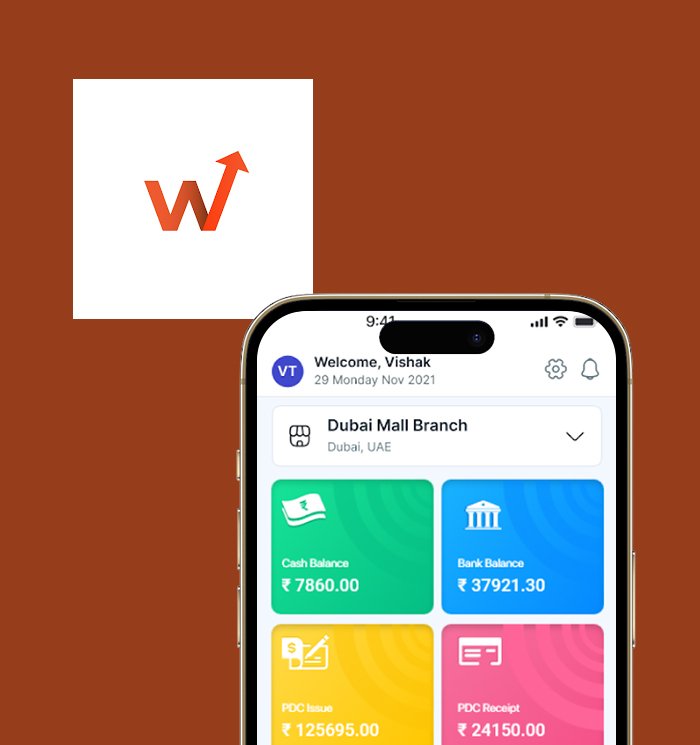
Custom business intelligence and operations platform with role-based dashboards and third-party integrations—built for reliability in data-driven industrial and enterprise environments.
Manufacturing Software Development FAQ's
We develop shop-floor monitoring systems, predictive maintenance platforms, custom ERP modules, MES solutions, quality control systems, IoT/MQTT integrations, production scheduling, inventory management, and mobile apps for operators. Every project is tailored to your production workflows and scale.
Costs vary by scope. A focused production logging and inventory MVP may start from ZMW 40,000–90,000, while full MES platforms with IoT integration and ERP connectivity can range from ZMW 180,000 to ZMW 600,000+. We provide itemised quotes after plant discovery.
Yes. We integrate with Odoo, Sage, QuickBooks, and custom ERP platforms—syncing production orders, inventory movements, costing data, and financial entries through secure APIs.
Absolutely. We work with MQTT, Modbus, OPC-UA, and SCADA/HMI systems to extract machine data. Edge gateways buffer data during connectivity interruptions common in Saudi industrial environments.
Yes. We design mobile apps with offline data capture that sync when connectivity returns—essential for production logging and quality checks on factory floors with patchy Wi-Fi.
An MVP with core production and inventory features typically takes 10–16 weeks. Full MES or multi-site platforms with IoT integration may take 5–10 months depending on equipment interfaces, migration complexity, and UAT cycles. We deliver in agile phases so you see progress every two weeks.
Yes. We plan structured data migration for product masters, BOMs, inventory balances, and historical production records—with validation, deduplication, and pilot imports before production cutover.
Yes. We include operator training, documentation, go-live support, and optional ongoing maintenance SLAs with a Saudi Arabia-based team for updates, monitoring, and feature enhancements.
Yes. We build batch traceability, quality inspection workflows, expiry tracking, and audit-ready records for food, beverage, and export-oriented manufacturers operating in Saudi Arabia.
Contact REDROCK Technologies for a free consultation. We discuss your production goals, map workflows, recommend a phased approach, and provide a transparent proposal with timeline and investment estimate.
Start Your Manufacturing Software Project
Tell us about your factory, processing plant, or industrial operation—we'll reply with a tailored development plan for Saudi Arabia.