



Child & Women Protection Software in Saudi Arabia
Secure. Dignified. Case-Ready.
REDROCK Technologies builds secure digital platforms for child and women protection programmes across Saudi Arabia and Southern Africa. From confidential case intake and incident reporting to officer dashboards, geo-mapping, referral workflows, and audit-ready records—we deliver systems that protect vulnerable persons while supporting social workers, police, health workers, and programme administrators with the tools they need.

A Software Development Partner for Child & Women Protection in Saudi Arabia
Government ministries, district social welfare offices, victim support units, and NGOs across Saudi Arabia manage sensitive cases that demand confidentiality, traceability, and coordinated response across agencies. Paper files, unsecured messaging, and fragmented databases put victims at risk and slow referrals. REDROCK combines enterprise software engineering with a respectful, security-first approach to build protection systems worthy of the trust placed in them.
Whether you are digitising case intake for district social welfare offices, building incident reporting for community-based child protection committees, or creating dashboards for ministry leadership—we deliver end-to-end software development in Saudi Arabia with role-based access, encryption, and audit trails at the core. Mobile apps allow field officers to capture reports safely in provincial and rural settings, syncing when connectivity allows.
Our protection platforms integrate referral pathways to health facilities, police, legal aid, shelters, and partner NGOs—so cases move between agencies without losing context or compromising privacy. Explore our mobile app development capabilities for field officer tools, and learn about how we work on sensitive public-sector projects. Request a confidential quote to discuss your programme requirements with our Saudi Arabia-based team.
Child & Women Protection Software Services in Saudi Arabia
Secure, dignified digital platforms for government ministries, social welfare departments, police victim support units, and NGOs—designed for sensitive case management across Saudi Arabia.
Confidential Case Intake & Registration
Structured digital intake forms for social workers and helpline operators—capturing case details, risk assessments, and consent records with mandatory fields, validation, and immediate secure storage.
Incident Reporting & Hotline Integration
Web and mobile reporting channels for incidents involving children and women—with triage queues, severity classification, and assignment workflows so urgent cases reach the right officer without delay.
Officer & Caseworker Dashboards
Role-based dashboards showing assigned cases, pending referrals, follow-up deadlines, and caseload metrics—helping supervisors balance workloads across Riyadh headquarters and district offices.
Geo-Mapping & Location-Based Case Visualisation
Anonymised heat maps and district-level views of reported incidents—supporting resource allocation, patrol planning, and programme targeting without exposing individual victim identities on public maps.
Multi-Agency Referral Workflows
Configurable referral pathways to police, health clinics, legal aid, shelters, and partner NGOs—with status tracking, acceptance confirmations, and closed-loop feedback so no case falls through gaps between agencies.
Secure Records Management & Document Storage
Encrypted storage for case notes, medical reports, court documents, and photographic evidence—with version history, access logging, and retention policies aligned with programme and legal requirements.
Role-Based Access Control & Segregation of Duties
Granular permissions ensuring officers see only cases within their district, role, or assignment—preventing unauthorised browsing of sensitive records across the organisation.
Audit Trails & Compliance Reporting
Immutable logs of who accessed, edited, or exported case data—supporting internal audits, donor reporting, and accountability reviews without compromising operational usability.
Mobile Apps for Field Officers & Community Workers
Android and iOS apps for district social welfare staff and community volunteers—offline-capable incident capture, home visit logging, and sync when connectivity returns in rural Saudi districts.
Victim & Survivor Consent Management
Digital consent capture, withdrawal tracking, and data-sharing permissions—ensuring information moves between agencies only with appropriate authorisation and documented approval.
Shelter & Safe House Bed Management
Capacity tracking, intake and discharge workflows, and occupancy reporting for shelters and temporary safe accommodation—integrated with broader case records for coordinated care planning.
Programme Monitoring & Donor Reporting Dashboards
Aggregate statistics on cases opened, closed, referral outcomes, and response times—presented without identifying individual victims for ministry leadership and international partner reports.
SMS Alerts & Escalation Notifications
Configurable SMS alerts for high-risk cases, overdue follow-ups, and supervisor escalations—reaching officers in the field when immediate action is required.
Data Migration from Paper & Legacy Systems
Structured digitisation of existing case files with data cleansing, duplicate detection, and phased migration—minimising disruption while preserving historical records for ongoing cases.
System Maintenance, Security Updates & Support
Ongoing security patching, vulnerability assessments, feature enhancements, and SLA-backed support—so protection systems remain current as threats, policies, and programme needs evolve.
Ready to discuss a protection software project?
Book a confidential consultation with our team—we'll assess your case management requirements and recommend a phased implementation roadmap.
Talk to Us About Your Project
Benefits of Digital Child & Women Protection Systems
Why government agencies and protection organisations across Saudi Arabia invest in purpose-built case management software instead of paper files and unsecured spreadsheets.
Confidential Records Protected by Design
Encryption, access controls, and audit logging built from the ground up—so sensitive case data is not stored in unsecured spreadsheets or shared drives accessible to unauthorised staff.
Faster Response to High-Risk Cases
Triage queues, severity flags, and SMS escalations help officers prioritise urgent incidents involving children and women—reducing delays that can have serious consequences.
Coordinated Multi-Agency Referrals
Structured referral workflows connect social welfare, police, health, and NGO partners with status tracking—closing gaps where cases previously stalled between organisations.
Visibility for Programme Leadership
District and national dashboards show caseload trends, referral outcomes, and resource gaps—supporting evidence-based policy decisions without compromising individual confidentiality.
Field-Ready Mobile Tools for Rural Districts
Officers in provincial and rural areas capture incidents and visit notes on mobile devices—with offline sync for environments where connectivity is unreliable across Saudi Arabia.
Reduced Duplicate Case Registration
Centralised records and search capabilities help staff identify existing cases before creating duplicates—improving continuity of care for victims and survivors.
Accountability Through Audit Trails
Every access and edit logged immutably supports internal investigations, donor audits, and public accountability without exposing case details unnecessarily.
Dignified, Trauma-Informed Digital Design
Interfaces designed with input from social workers and programme staff—clear language, minimal re-traumatising prompts, and workflows that respect the sensitivity of each interaction.
Scalable from District Pilot to National Rollout
Modular architecture supports pilot deployment in selected districts before expanding nationwide—limiting risk and allowing policy refinement based on real officer feedback.
Donor-Ready Monitoring & Evaluation Data
Aggregate reporting exports support UN, bilateral donor, and NGO partner requirements—demonstrating programme impact with anonymised, policy-compliant statistics.
Integration with Existing Government Systems
API connections to HR systems, national ID verification where appropriate, and document management platforms—reducing duplicate data entry across ministries.
Training & Change Management Support
Role-based training materials, video guides, and on-site sessions help officers adopt digital case management confidently—critical for programmes transitioning from paper records.
Local Project Management with Confidentiality Protocols
Saudi Arabia-based project teams bound by strict confidentiality agreements, with secure development environments and controlled access to staging data throughout delivery.
Long-Term Security Maintenance
Protection systems require ongoing security updates and vulnerability management—we offer SLAs to keep platforms patched and compliant as cyber threats evolve.
Purpose-Built for Saudi Institutional Context
Workflows reflect district structures, referral partners, and reporting requirements specific to Saudi government and NGO protection programmes—not generic international templates.
Our Protection Software Development Process
A careful, stakeholder-led delivery process—from policy review and privacy assessment through pilot deployment, officer training, and long-term support.
Stakeholder Discovery & Policy Review
Confidential workshops with ministry officials, social workers, police victim support units, and NGO partners to understand current workflows, legal constraints, and programme objectives.
Privacy Impact Assessment & Security Requirements
We document data classification, retention policies, consent models, and threat scenarios—defining security architecture before any design or development begins.
User Journey Mapping for Officers & Administrators
Detailed flows for case intake, incident reporting, referrals, follow-ups, and management reporting—validated with frontline staff who will use the system daily.
Information Architecture & Role Model Design
Case record structures, referral statuses, permission matrices, and district hierarchies defined to match Saudi institutional organisation and programme governance.
UX/UI Design with Trauma-Informed Principles
Wireframes and prototypes reviewed with social workers and programme managers—ensuring interfaces are clear, dignified, and practical for high-stress operational environments.
Security Architecture & Infrastructure Planning
Encryption standards, hosting decisions (cloud or on-premise), backup strategies, and disaster recovery plans agreed with IT and programme leadership before development.
Agile Development with Fortnightly Stakeholder Demos
Core modules built in controlled sprints with demos restricted to authorised stakeholders—case intake, dashboards, referrals, and mobile apps delivered incrementally.
Penetration Testing & Security Review
Independent security assessment of authentication, authorisation, data storage, and API endpoints before any pilot deployment with live or test case data.
Data Migration & Digitisation Planning
Structured approach to converting paper records and legacy databases—with data cleansing, anonymisation of test datasets, and validation against active case requirements.
Pilot Deployment in Selected Districts
Controlled rollout in one or two districts with close monitoring, officer feedback sessions, and workflow refinements before national or multi-province expansion.
Officer Training & Standard Operating Procedures
Role-based training for intake officers, caseworkers, supervisors, and IT administrators—with SOP documentation aligned to programme policies and confidentiality protocols.
User Acceptance Testing with Frontline Staff
Social workers and field officers test realistic scenarios in staging—validating that workflows match operational reality and do not create unnecessary administrative burden.
Go-Live Support & Hypercare Period
Dedicated support team available during launch weeks to resolve blocking issues, assist with data entry, and ensure officers can continue serving vulnerable persons without disruption.
Monitoring, Evaluation & Iterative Improvement
Post-launch analysis of usage patterns, referral completion rates, and officer feedback to prioritise enhancements that improve programme outcomes and user experience.
Ongoing Maintenance, Security Patching & Feature Roadmap
Long-term SLAs for security updates, policy-driven feature additions, and integration with new partner agencies as the protection programme evolves across Saudi Arabia.
Why Saudi Arabia Needs Secure Digital Child & Women Protection Systems
Child and women protection programmes across Saudi Arabia coordinate response across social welfare departments, police victim support units, health facilities, shelters, and NGOs—often using paper case files, personal phones, and unsecured spreadsheets that cannot scale, cannot be audited reliably, and put confidential information at risk. When a high-risk case requires urgent referral between a district office in Chipata and a shelter in Riyadh, delays and lost information can have serious consequences for vulnerable persons.
Digital case management from REDROCK Technologies addresses these gaps with encryption, role-based access, referral workflows, and mobile tools for field officers—designed in consultation with programme stakeholders and built to respect the dignity of every person whose data the system holds. Our approach to software development on sensitive public-sector projects includes privacy impact assessments, controlled staging environments, and security reviews before any pilot goes live.
The benefits extend beyond efficiency: faster triage of urgent cases, coordinated multi-agency response, evidence for programme monitoring, and accountability through audit trails. Whether you are a government ministry launching a national platform or an NGO digitising district case management, a phased, security-first roadmap protects both victims and the officers who serve them. See our portfolio for related public-sector and social impact work.
Security, Privacy & Design Principles for Protection Software
Protection software demands higher standards than typical business applications. REDROCK implements encryption at rest and in transit, granular role-based permissions, immutable audit logs, and secure session management. Staging and production environments are strictly separated, with test data anonymised and access limited to authorised project personnel under confidentiality agreements.
User experience matters equally. Interfaces are designed to minimise re-traumatisation—clear language, logical workflows, and mobile apps that work offline for officers visiting homes in rural districts. Geo-mapping uses anonymised aggregation so leadership can see incident patterns by district without exposing individual victim locations on shared dashboards. Mobile apps built through our mobile development practice complement web-based case management for field teams across Saudi Arabia.
We work within your institutional governance framework—whether that means on-premise hosting within government data centres, cloud deployment with data residency controls, or hybrid architectures. Contact us for a confidential discussion of your security and hosting requirements.
Choosing a Development Partner for Protection Programmes in Saudi Arabia
Selecting a software partner for child and women protection systems requires evaluating security methodology, public-sector experience, and cultural sensitivity—not just technical capability. REDROCK Technologies brings enterprise delivery standards from the broader REDROCK Group, with platforms developed for government, NGO, and social impact programmes across the region.
Look for partners who conduct privacy impact assessments, offer phased pilot rollouts, provide officer training, and commit to long-term security maintenance. We offer confidential initial consultations to assess programme scope, stakeholder alignment, and realistic timelines for district pilots or national deployment. Explore related services including healthcare software and AI-enabled development where appropriate analytics can support anonymised programme insights without compromising individual privacy.
Ready to modernise your protection programme? Contact us or request a quote for a confidential discussion with our Saudi Arabia software development team.
Related Services & Resources
Explore other REDROCK Technologies software, mobile, and public-sector services connected to child and women protection systems.
Discovery Process
Workshops and research that turn ideas into a clear scope, wireframes, and ZMW estimates before build.
Project Execution
Two-week agile sprints with live demos, CI/CD, and QA built into every release cycle.
Dedicated Teams
Embedded squads working exclusively on your roadmap with Saudi Arabia timezone alignment.
Project Review & Support
Post-launch monitoring, SLA-backed support, and continuous improvement after go-live.
Shopify Electronics & Appliances E-commerce
Shopify stores for electronics and home appliances with specs, warranties, and mobile money checkout in Saudi Arabia.
Telemedicine App Solution
Patient, doctor, and admin apps with video consults, e-prescriptions, and lab integration for Saudi Arabia.
Food Delivery App Solution
Customer, restaurant, rider, and admin apps plus web ordering with real-time tracking in Saudi Arabia.
ERP for Trading & Manufacturing
Inventory, procurement, production, sales, and accounting ERP for Saudi traders and manufacturers.
Child & Women Protection Solution
Secure case intake, incident reporting, and officer dashboards for government protection programmes.
AI Business Automation
Workflow automation, document AI, chatbots, and CRM integration for Saudi enterprises.
Odoo ERP Implementation
Odoo ERP setup for accounting, inventory, CRM, manufacturing, and ZRA-ready invoicing in Saudi Arabia.
Shopify E-commerce Development
Custom Shopify stores with mobile money, theme design, and conversion-focused UX for Saudi Arabia.
Shopify Plus Development
Enterprise Shopify Plus stores with custom checkout, automation, and advanced integrations.
WooCommerce Development
Flexible WordPress WooCommerce stores with SEO, plugins, and local payment integrations.
Magento / Adobe Commerce
Scalable B2B/B2C Magento and Adobe Commerce platforms for enterprise Saudi Arabia retailers.
Laravel E-commerce Development
Custom Laravel online stores and marketplaces built around your business logic.
E-commerce Mobile App
iOS and Android shopping apps with mobile money, push notifications, and store sync.
Android App Development
Kotlin and Java Android apps for Saudi businesses—secure, fast, and Play Store ready.
iOS App Development
Swift and Objective-C iOS apps with App Store compliance for Saudi Arabia brands.
Flutter App Development
Cross-platform Flutter apps from one codebase for Android and iOS in Saudi Arabia.
React Native App Development
Scalable React Native apps with near-native performance for Saudi Arabia markets.
Healthcare & Telemedicine Software
Telemedicine, EHR, clinic management, and pharmacy platforms for Saudi providers.
Agriculture & Agritech Software
Farm management, crop monitoring, and supply chain tools for Saudi agriculture.
Logistics & Supply Chain Software
Fleet tracking, warehouse management, and route optimisation for Saudi Arabia logistics.
Fintech & Financial Software
Mobile money, digital wallets, lending, and banking apps for Saudi Arabia fintech.
Education & E-Learning Software
LMS platforms, virtual classrooms, and assessment portals for Saudi education.
Manufacturing & Industry 4.0 Software
Shop-floor monitoring, predictive maintenance, and ERP for Saudi manufacturers.
Industry Solutions
Ready-to-build product solutions for e-commerce, telemedicine, food delivery, ERP, and more.
Software Development
Custom software, ERP, APIs, and enterprise applications for Saudi businesses.
Methodology
Discovery, execution, dedicated teams, and post-launch review—how REDROCK ships software in Saudi Arabia.
Website Design Cost in Saudi Arabia
Pricing guide for websites and digital projects in 2026.
Related Public Sector & Social Impact Projects
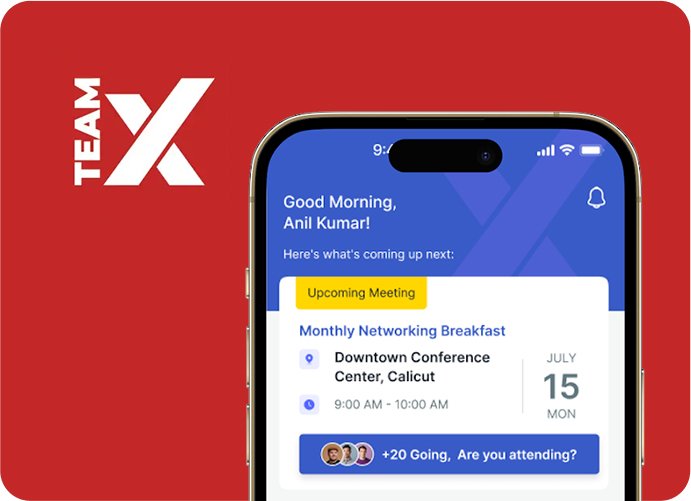
Social Welfare Case Management Platform
Secure case intake, referral tracking, and officer dashboards for a social welfare programme—demonstrating our capability to deliver dignified, audit-ready protection software for sensitive government operations.
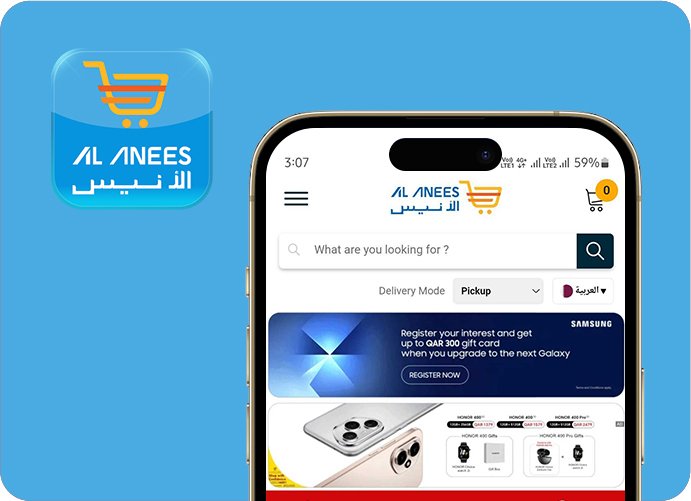
Community Incident Reporting System
Mobile-enabled incident reporting with geo-mapping and multi-agency referral workflows—showcasing field-ready tools for community-based protection programmes operating across provincial districts.
Child & Women Protection Software FAQ's
We build secure case intake systems, incident reporting platforms, officer dashboards, geo-mapping tools, referral workflows, mobile field apps, audit-ready records management, shelter management, and ongoing security maintenance for government and NGO protection programmes across Saudi Arabia.
Investment depends on scope and user numbers. A district-level case management MVP with intake, referrals, and basic dashboards may start from ZMW 250,000–500,000. Multi-district platforms with mobile apps, geo-mapping, and multi-agency workflows typically range from ZMW 600,000 to ZMW 1,800,000. National-scale systems with advanced security, migration, and training may reach ZMW 2,000,000–5,000,000+. We provide confidential itemised ZMW quotes after stakeholder discovery.
We implement encryption at rest and in transit, granular role-based access control, immutable audit trails, secure authentication, and segregated staging environments. Privacy impact assessments guide architecture decisions, and penetration testing validates security before pilot deployment.
Yes. Our mobile apps support offline incident capture, visit logging, and case updates—with secure background sync when connectivity returns. This is essential for social workers operating in provincial and rural districts across Saudi Arabia.
Absolutely. Configurable referral pathways connect social welfare, police, health facilities, legal aid, shelters, and partner NGOs—with status tracking, acceptance confirmations, and closed-loop feedback so cases progress between agencies without losing context.
Yes. We plan structured digitisation with data cleansing, duplicate detection, and phased migration—working with programme staff to prioritise active cases and preserve historical records needed for ongoing support and legal proceedings.
A district pilot with core case intake and referral modules typically takes 5–8 months including security review and training. Multi-district or national platforms may take 12–24 months with phased rollouts. We deliver working modules incrementally so programmes gain value before full deployment.
Yes. Aggregate dashboards and exportable reports show caseload trends, referral outcomes, and response metrics without identifying individual victims—supporting monitoring, evaluation, and accountability requirements for government and international partners.
Yes. Role-based training sessions, video guides, and standard operating procedures are included in our delivery process—ensuring officers adopt digital case management confidently when transitioning from paper-based workflows.
Contact REDROCK Technologies for a confidential consultation. We discuss your programme objectives, stakeholder landscape, security requirements, and recommend a phased pilot approach with transparent ZMW investment estimates.
Start Your Protection Software Project
Tell us about your ministry, department, or NGO protection programme—we'll reply with a tailored, confidential development plan for Saudi Arabia.